Learn about the university's history, institutional direction, values, and campus environment.
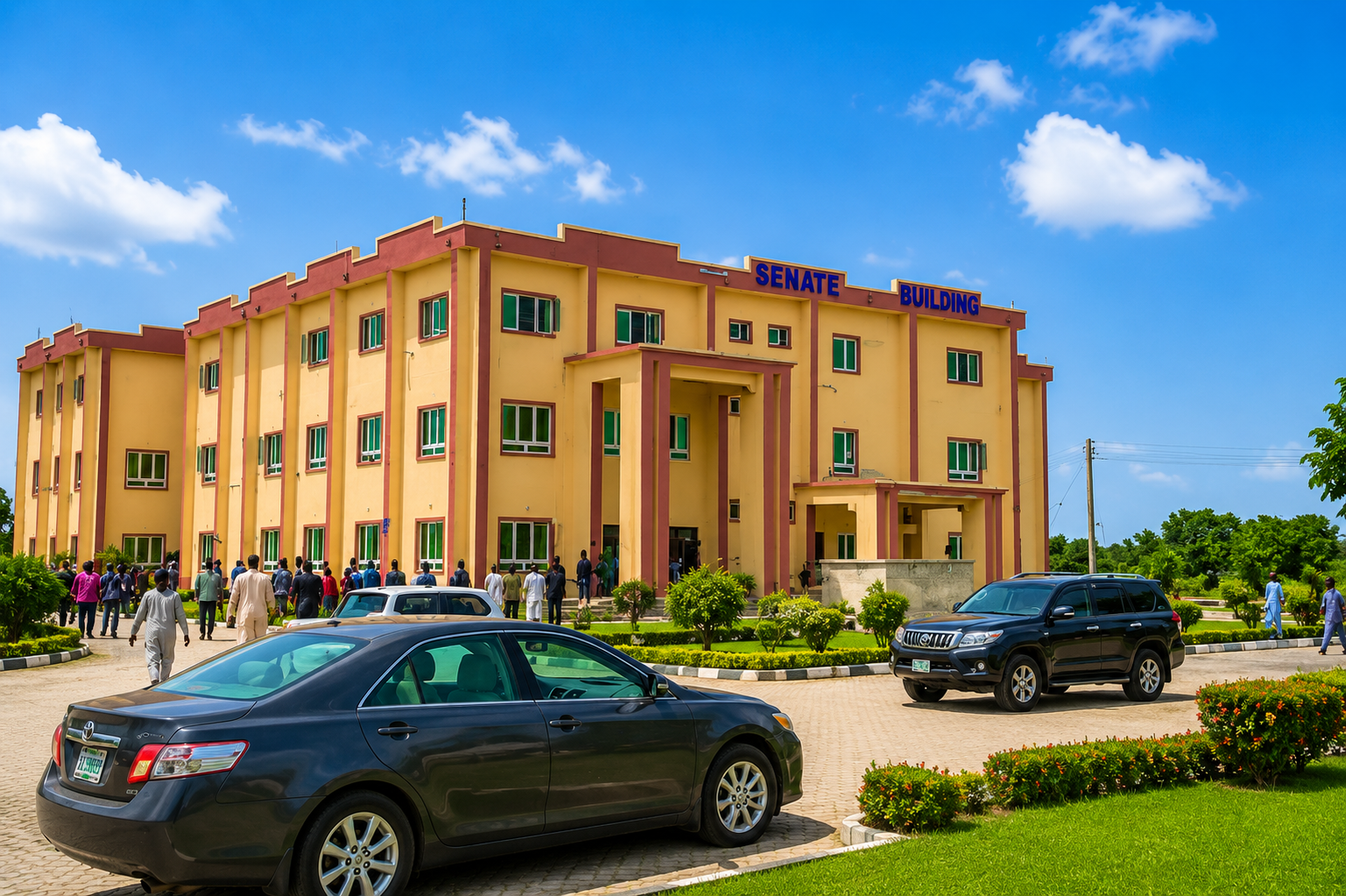
Jigawa State University of Medical and Allied Health Sciences, Majia (JSUMAHS) evolved from Khadija University, Majia, a conventional private university, into a specialised public university focused on medical and allied health courses. The law establishing the university, Law No. 02/2026, was signed by His Excellency, Mal. Umar Namadi, FCA, on 27th April, 2026, and was eventually gazetted.
Khadija University, Majia, the precursor of JSUMAHS, was established as a private conventional university under a licence issued by the National Universities Commission (NUC), Abuja, on 8th April, 2021. It was established with three faculties: Basic Medical Sciences, offering B.NSc Nursing Science, BMLS Medical Laboratory Science, and DPT Doctor of Physiotherapy; Science and Computing, offering B.Sc Biology, B.Sc Chemistry, B.Sc Computer Science, B.Sc Cyber Security, and B.Sc Software Engineering; and Social and Management Sciences, offering B.Sc Accounting, B.Sc Economics, and B.Sc Sociology/Criminology and Security Studies.
Following the procurement of the university, all programmes in the Faculty of Science and Computing and the Faculty of Social and Management Sciences were directed to be discontinued from the 2024/2025 academic session. By the end of the 2026/2027 academic session, the programmes in the two faculties will be completely phased out.
On 10th March, 2026, the Jigawa State Government renamed the university as Jigawa State University of Medical and Allied Health Sciences, Majia (JSUMAHS), appointed the pioneer set of principal officers, and retained three programmes: B.NSc Nursing Science, BMLS Medical Laboratory Science, and DPT Doctor of Physiotherapy.
JSUMAHS Majia was established to provide a focused academic environment for medical, health, and allied health science education. The institution supports disciplined training, university administration, and growth in strategic knowledge areas relevant to public health and scientific development.
Its public-facing identity is built around clarity, service, and academic seriousness, while the internal portal supports applicant, student, and staff workflows in a separate environment.
The university is guided by its institutional mandate, academic standards, and accountable administrative leadership.
To lead the frontiers of Health Sciences education, dedicated to advancing human wellness and medical innovation.

Delivering transformative, student-centred health education that fosters innovation and technology-driven solutions to address pressing health challenges.
The philosophy of the Jigawa State University of Medical and Allied Health Sciences, Majia (JSUMAHS), Majia, is anchored on the belief that quality health sciences education is fundamental to sustainable healthcare delivery, human capital development, scientific advancement, and societal transformation.
Commitment to high standards in teaching, research, healthcare services, and institutional administration.
Promotion of honesty, transparency, accountability, and ethical conduct in all University activities.
Adherence to professional ethics, competence, discipline, and responsibility in healthcare and academic practice.
Encouragement of creativity, research, digital transformation, and innovative solutions to societal challenges.
Dedication to community service, public health improvement, and societal impact.
Promotion of collaboration, mutual respect, inclusiveness, and shared responsibility among stakeholders.
Responsible management of resources and institutional responsibilities with measurable performance outcomes.
Promotion of orderliness, dedication, punctuality, and adherence to institutional regulations.
Student life at JSUMAHS combines focused academic work with practical support, shared learning, and access to essential university services.
Students learn within a respectful university community that encourages collaboration, responsibility, and professional growth.
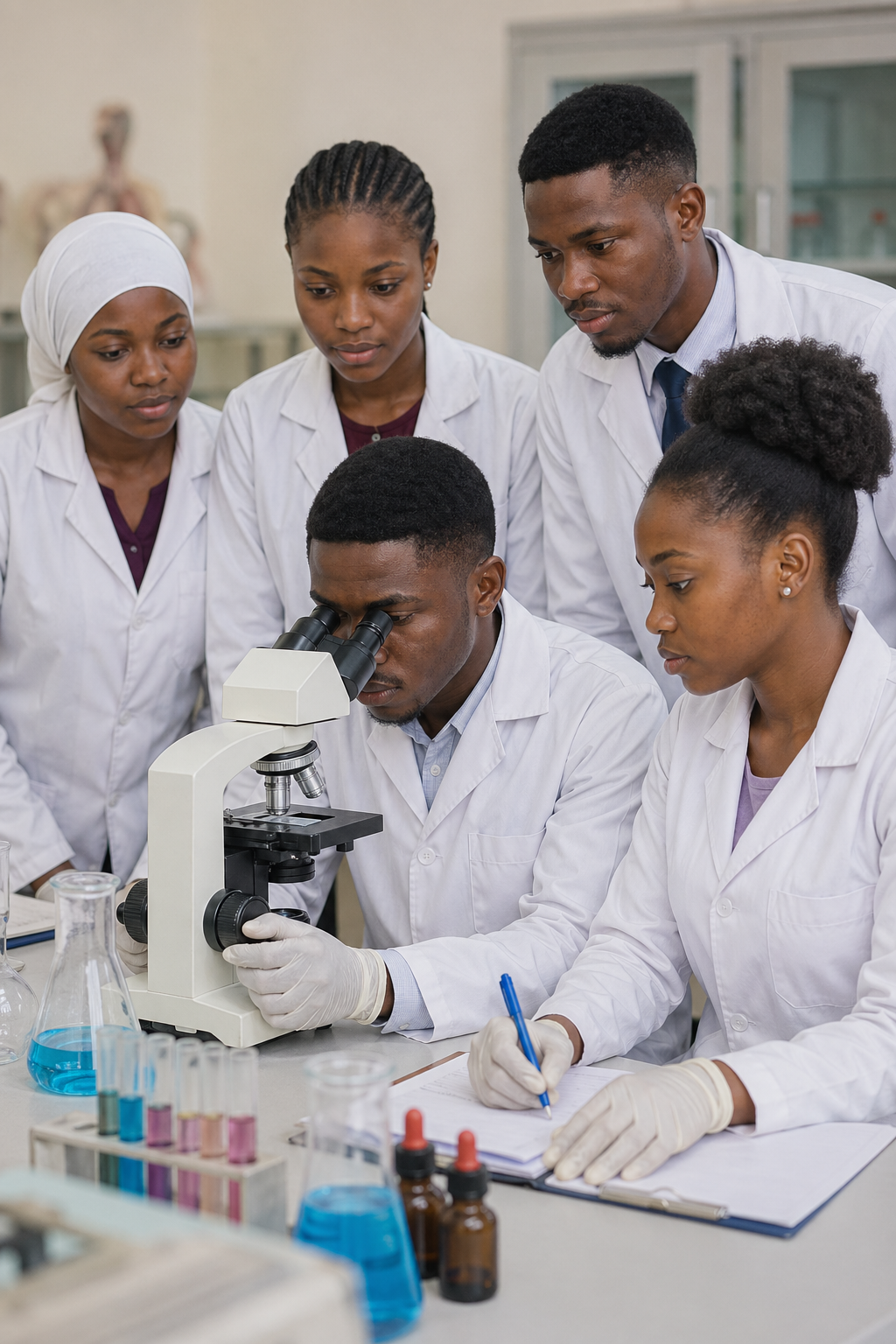
Academic programmes are supported by practical activities and learning environments relevant to medical, health, and applied sciences.
The university portal connects students to registration, payments, results, records, and other essential academic services.
The university library and wider campus environment support focused study, academic delivery, administrative coordination, and student services. They provide a foundation for teaching, practical learning, research, admissions management, and institutional operations.